Glasstress
Ca’ Tron - Venezia
Fondazione Berengo Art Space - Murano
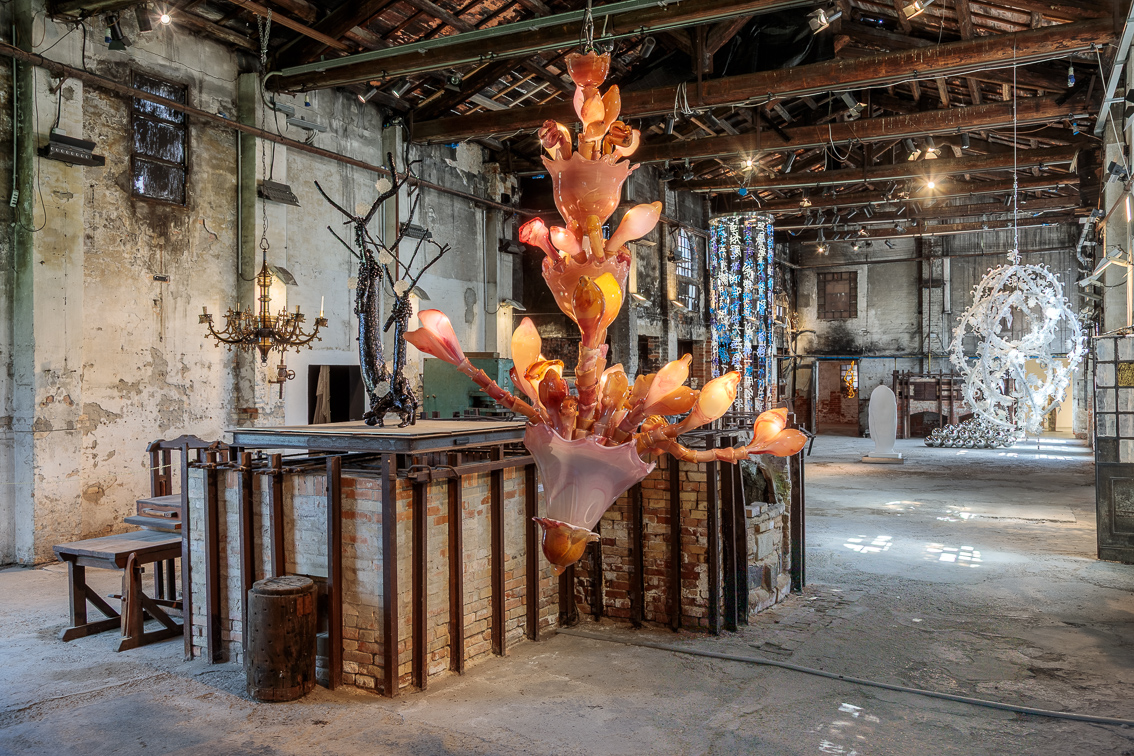
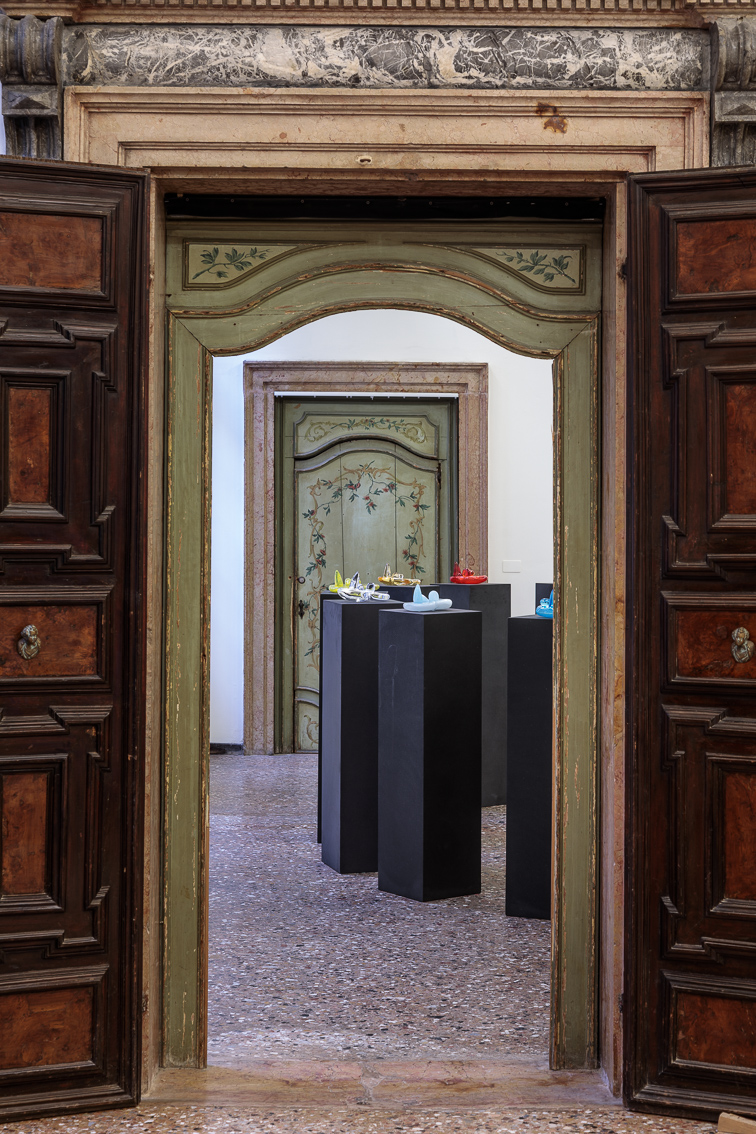
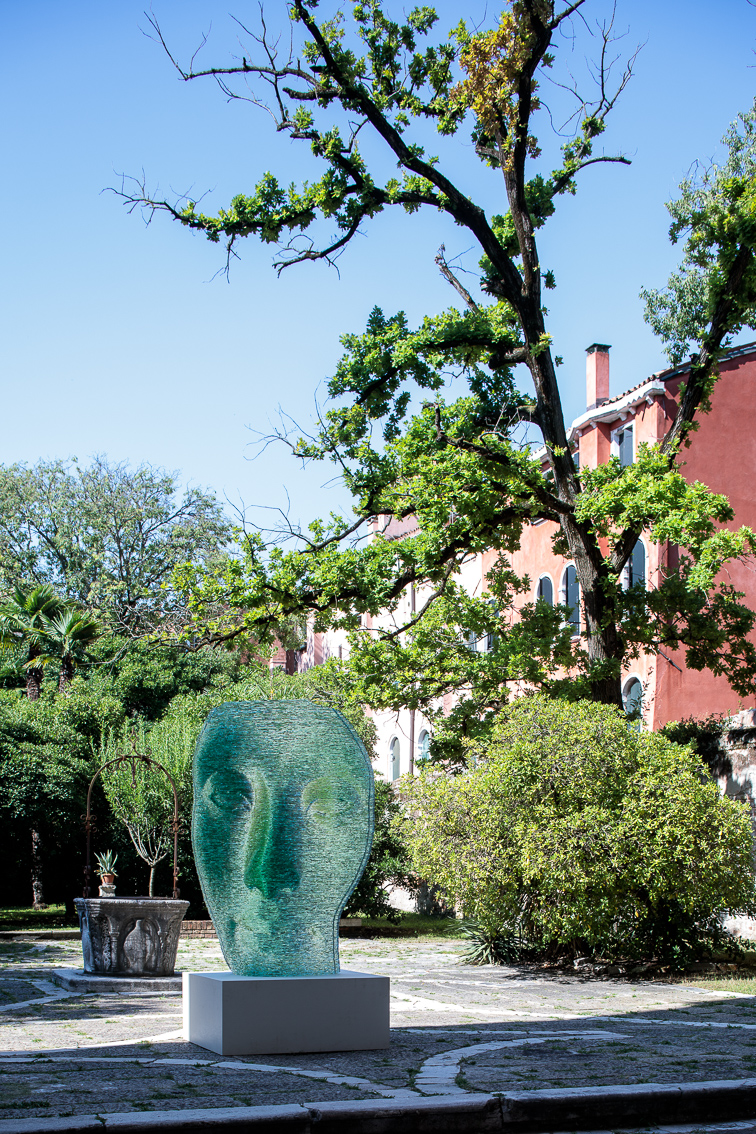
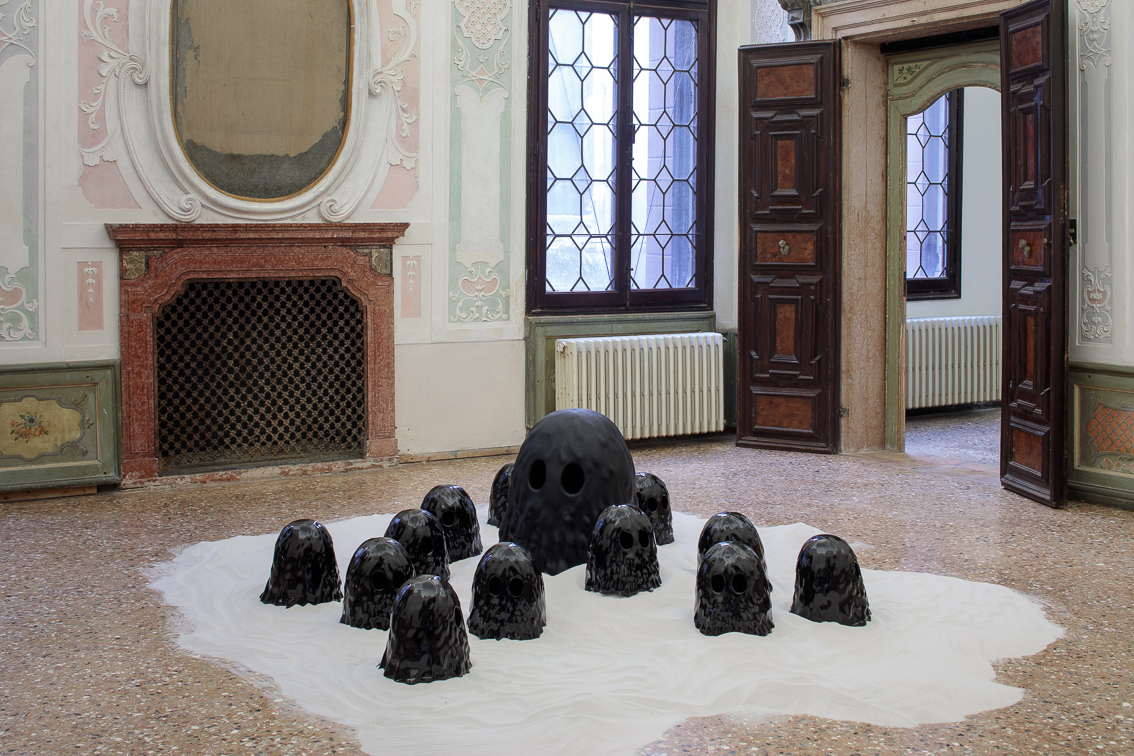
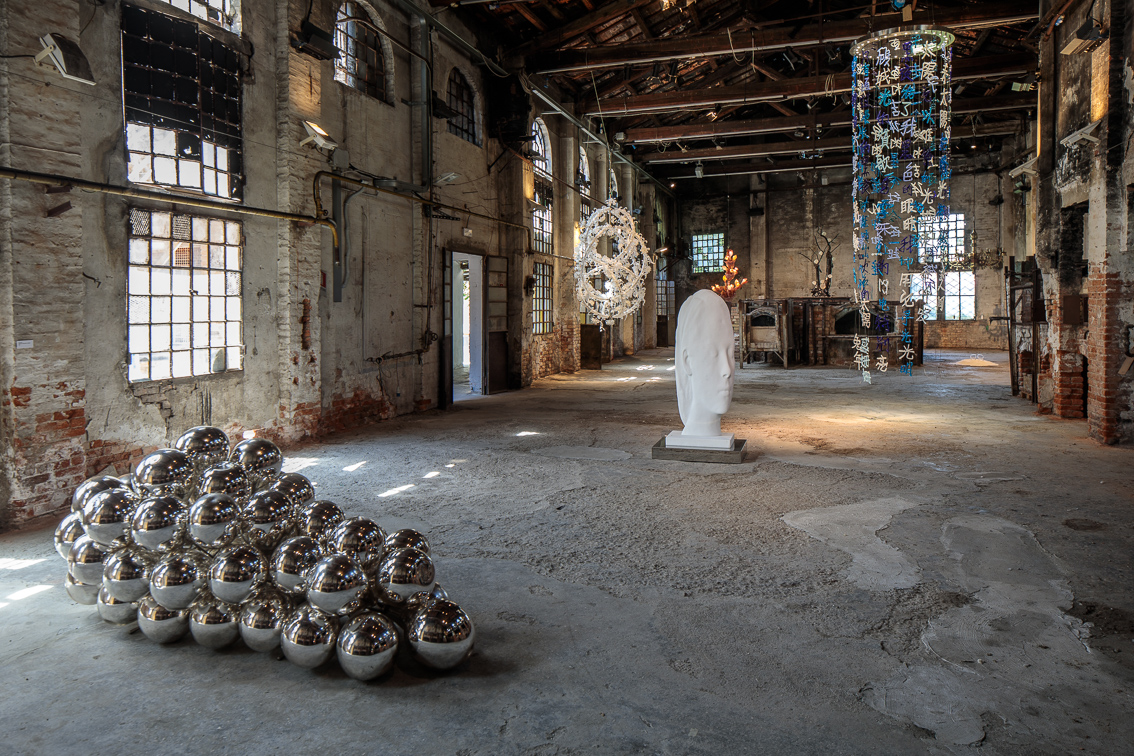
GLASSTRESS will once again animate Venice with a new edition unfolding across two venues: the historic Ca’ Tron Palace on the Grand Canal and Fondazione Berengo Art Space on Murano. The exhibition will bring together 65 international artists and designers, each invited to engage with the centuries-old art of glassmaking through collaboration with the master glassmakers of Berengo Studio. The 2026 edition introduces over twenty artists making their GLASSTRESS debut, many of whom are working with glass for the very first time, resulting in a series of unprecedented artistic experiments.
Developed between Murano and Venice, the exhibition presents a journey through diverse practices and disciplines, from sculpture and performance to design and immersive installation, exploring the expressive and transformative potential of glass as a contemporary artistic medium.
Art and technique are inextricably linked. This relationship is especially evident in glass: a paradigmatic material born from fire, transformed from silica sand into transparent matter. Glass enables a distinctive mode of perception, allowing the work to be experienced not only as an object but also through its transparency. Light is not simply an external condition but an intrinsic component of the material, shaping both its form and the way it is perceived.
Since the second half of the twentieth century, glass has emerged as an autonomous artistic language, spanning sculpture, installation, and conceptual practice. This development is rooted in the technical tradition of Murano’s glass furnaces, which today continue to engage with contemporary experimentation.
Glass thus becomes a powerful metaphor for the human condition, embodying fragility and resilience, presence and absence, transparency and opacity. It functions as a threshold between different perceptual dimensions, its meaning constantly shifting according to light, space, and the viewer’s perspective.
From this perspective, glass can be understood as a form of “material hypertext,” in which each work points simultaneously to its technical construction, the artist’s gesture, and the context of its production. Rather than existing as a self-contained material, glass acquires meaning through its relationships.
Works by
Ai Weiwei, Manal Al Dowayan, Monira Al Qadiri, Allora & Calzadilla, Vanessa Beecroft, Monica Biancardi, Monica Bonvicini, Stefano Cagol, Edoardo Callegari, María Magdalena Campos-Pons, Ornella Cardillo, Judy Chicago, Zheng Chongbin, Tony Cragg, Laura De Coninck, Ida Ekblad, David S. Eley, Jan Fabre, Fariba Ferdosi, Christian Fogarolli, Massimiliano, Doriana e Lavinia Fuksas, Josepha Gasch-Muche, Gelatin, Abdulnasser Gharem, Fathi Hassan, Gottfried Helnwein, Marlène Huissoud, Leiko Ikemura, Martin Janecký, Oda Jaune, Wu Jian’an, Marya Kazoun, Karen LaMonte, Delaine Le Bas, Simone Mannino, Paul McCarthy, Yue Minjun, Serge Mouangue, Moataz Nasr, Adrian Paci, Cornelia Parker, Anne Peabody, Penzo+Fiore, Jaume Plensa, Laure Prouvost, Arne Quinze, Fatinha Ramos, Tobias Rehberger, Maria Roosen, Andreas Schmitten, Thomas Schütte, Sean Scully, Marinella Senatore, Wael Shawky, Shan Shan Sheng, Chiharu Shiota, Koen Vanmechelen, Ronald Ventura, Ernests Vītiņš, Ziping Wang, Rose Wylie, Erwin Wurm, Guan Xiao, Raed Yassin, Dustin Yellin, Sun Yitian e Qi Zhuo.
installation views